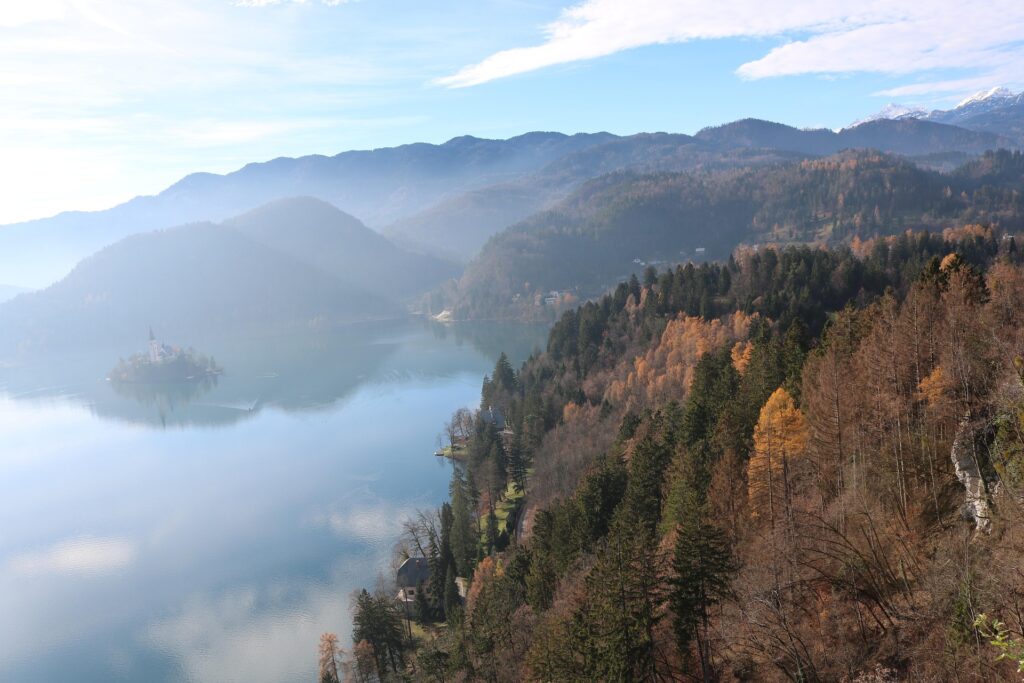
What to Do in Rainy Bled?
Rain in Bled has a way of softening everything. The dramatic peaks around Lake Bled disappear into low clouds, the water darkens, and the usual postcard energy slows into something more reflective. It’s the kind of weather that encourages you to look indoors rather than outward and that’s where the region quietly shines.
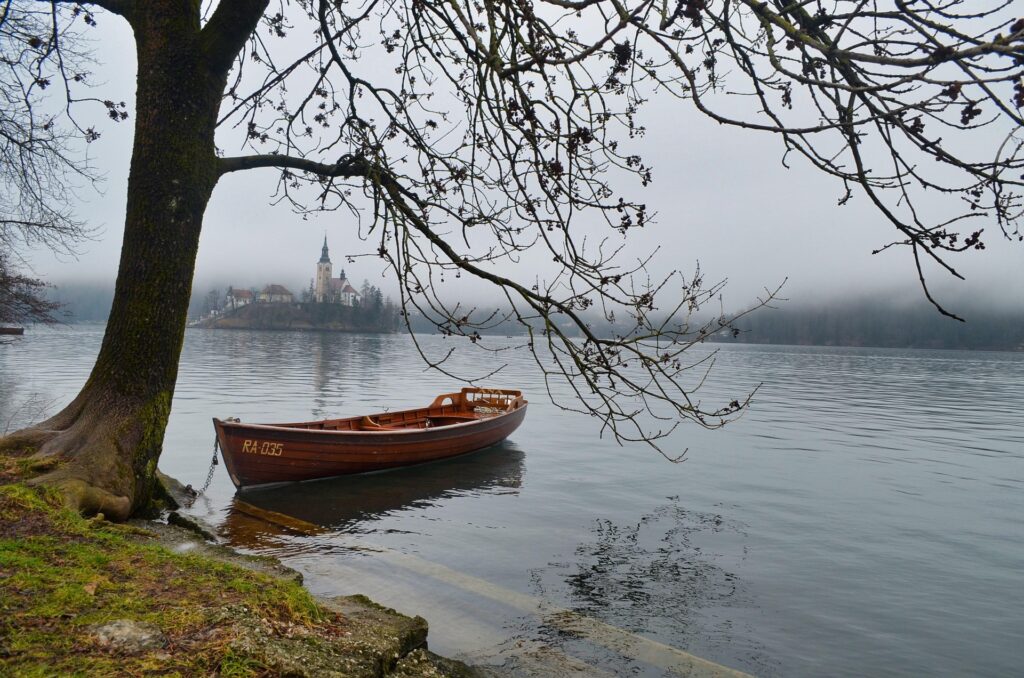
Bled Castle in the Mist
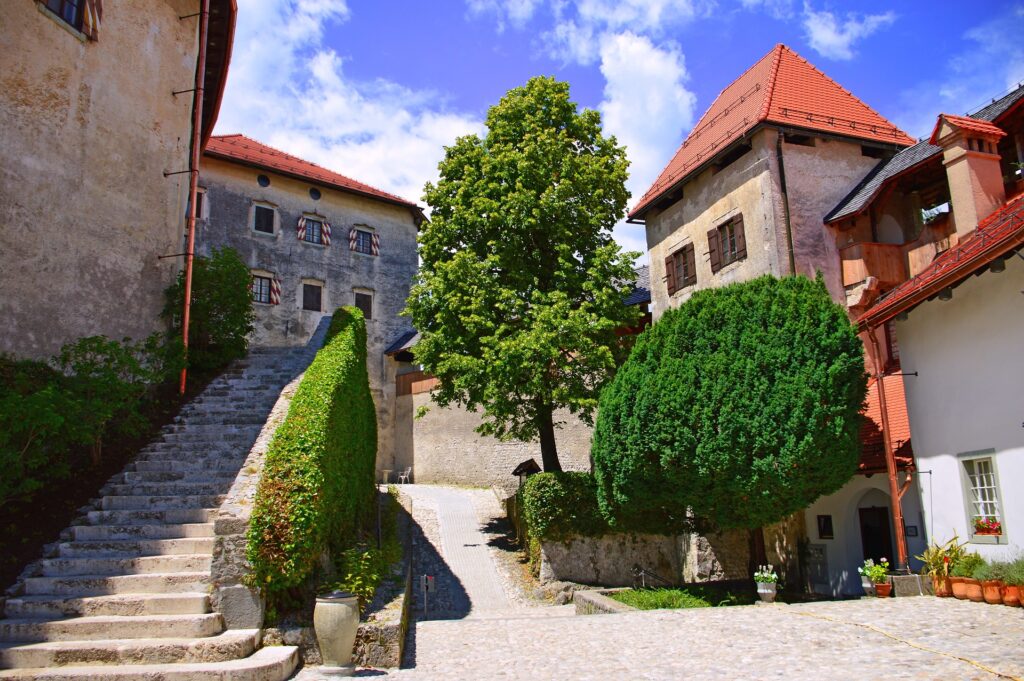
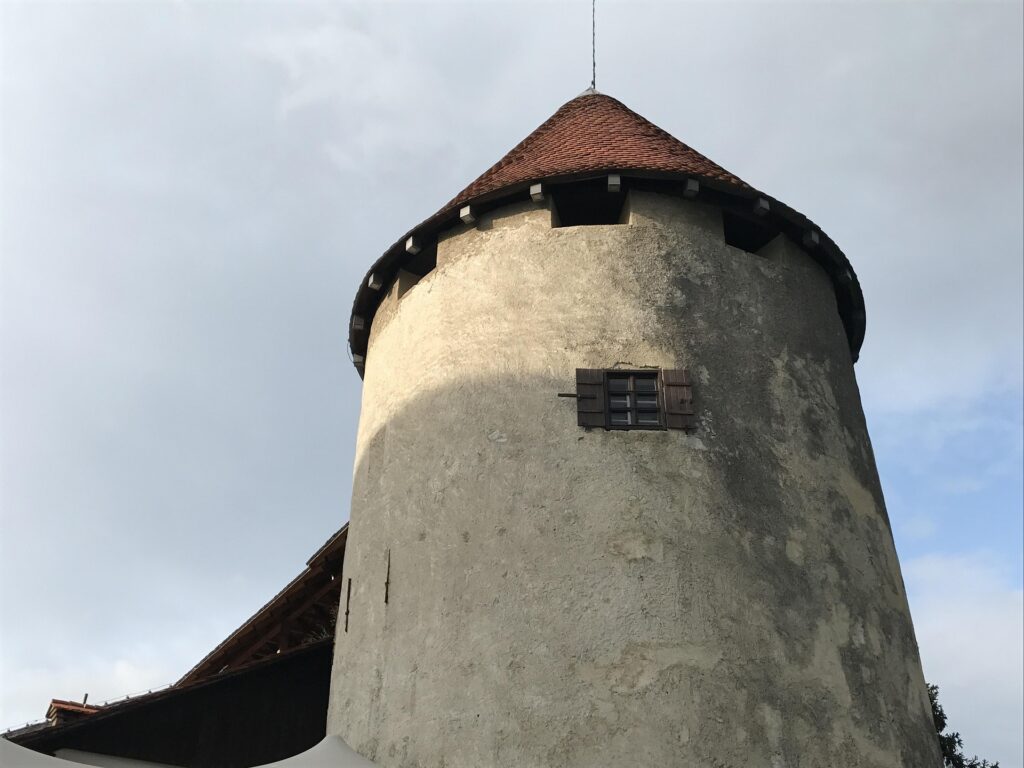
One of the best rainy-day escapes is Bled Castle, rising above the lake on its steep cliff. Even in heavy rain, it remains fully accessible, and the interior spaces offer a strong sense of place and history.
Inside, you move through layers of regional heritage, from early settlement traces in the wider Upper Carniola area to the medieval period when the castle became a strategic and ecclesiastical centre. The museum rooms are not overwhelming, but they are carefully curated, giving you just enough detail to understand how deeply connected this landscape is to centuries of human activity.
Between rain showers, stepping onto the terrace is still worth it. The island appears and disappears through mist, almost like a shifting archaeological layer being slowly revealed.
Cozy Culture Indoors
Back in town, Triglavska roža Bled offers a calm indoor stop focused on Triglav National Park, local ecology, and cultural heritage. It’s a good place to understand how this alpine environment shaped traditional life, from pastoralism to early tourism.
Small galleries, cafés, and local shops also become more appealing in wet weather. Instead of chasing views, you settle into the rhythm of the rain, coffee, conversation, and the sound of water against the lake shore.
A Short Trip to Radovljica: Museum of Apiculture
Just a short drive from Bled, Radovljica is where rain actually adds something special to the experience. Here you’ll find the Museum of Apiculture Radovljica, one of the most distinctive cultural museums in Slovenia.
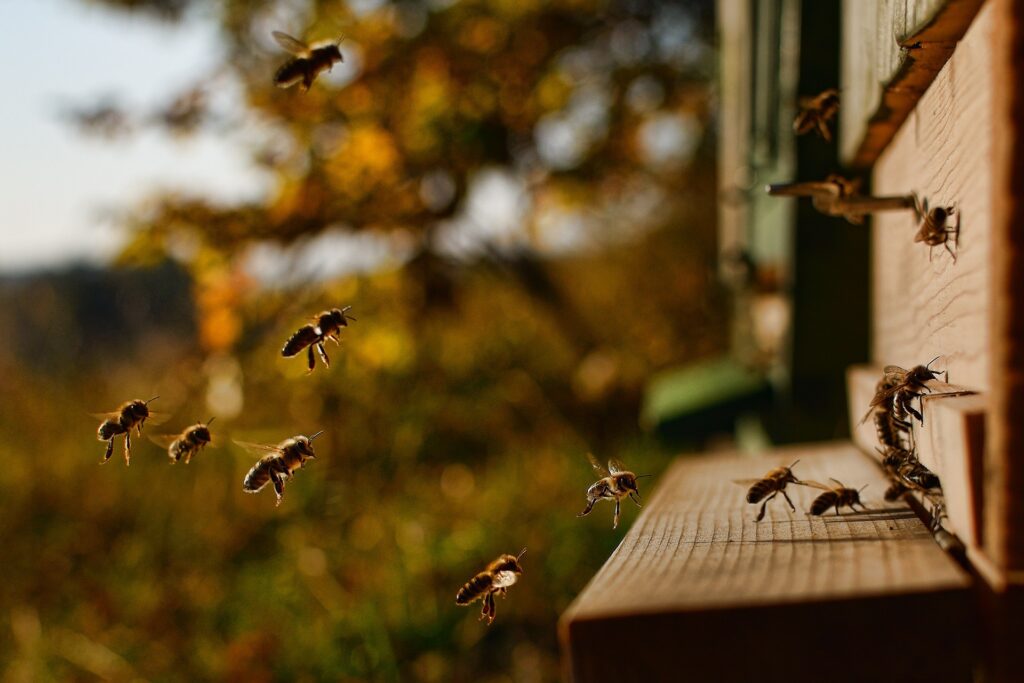
The museum is dedicated to Slovenian beekeeping tradition, which is deeply rooted in the region. Exhibits include traditional wooden hives, painted beehive panels, and displays about the famous Carniolan honey bee. Slovenia’s beekeeping heritage is not just agricultural, it is cultural, scientific, and even symbolic, especially through figures like Anton Janša, an 18th-century pioneer of modern apiculture.
What makes this visit particularly fitting on a rainy day is the atmosphere: warm indoor rooms, detailed craftsmanship, and a quiet focus on nature that feels far away from the weather outside. It’s both educational and strangely calming, especially when you realize how central bees have been to this region’s identity for centuries.
A Slower Kind of Bled Experience
Rain doesn’t limit Bled, it reinterprets it. Instead of sweeping panoramas, you get texture: stone, wood, museum glass, and the sound of rain layering over the lake.
And sometimes, that version of Bled feels closer to the real one.